The roe deer rut is one of the most intense periods of the year in the Danish natural landscape. Bucks, which have lived territorially and often very predictably during the spring, can suddenly change their behavior. Does move more, bucks follow them closely, and animals can appear in places and at times where you do not normally see them.
The rut is also biologically interesting because roe deer differ from the larger Danish deer species. Roe deer mate in the summer, but the fawns are not born until the following spring thanks to a period of delayed embryonic development.
When is the roe deer rut?
The main period is typically from mid-July to mid-August. There is variation from area to area and from animal to animal, but high summer is the period when the greatest rutting activity is typically seen.
This does not mean that all does are in rut at the same time. The individual doe is only receptive for a short period, and activity therefore waves through the population over several weeks.
In Denmark, the general spring hunting season for roe bucks ends on July 15th. The main rut therefore falls within a period when the roe buck is not normally huntable. The rut is therefore primarily an exciting observation period and an important part of understanding roe deer biology.
What happens to the buck's behavior?
Before the rut, adult bucks spend a lot of energy establishing and maintaining their territories. They mark with fraying, scrapes, and scent, and react aggressively to competing bucks.
When the does become receptive, the focus shifts. The buck follows a doe closely and can at times be far less concerned with its normal routine. This means that a buck may cross open areas in full daylight or move outside the area where it has otherwise been observed throughout the spring.
The rut can therefore give the impression that there are suddenly "more bucks" in an area. Often, the explanation is rather that familiar animals change their movement patterns and that neighboring bucks temporarily cross borders.
What is a witch ring?
A classic sign of the roe deer rut is the so-called witch ring. It occurs when the buck follows the doe around and around a bush, a group of trees, or another point in the terrain.
The repeated running movement can wear a clear circular or oval path in the vegetation. The witch ring is therefore a visible trace of the mating behavior itself and can remain for a while after the animals are gone.
Not all pairs form clear witch rings, and their absence does not mean that there has been no rutting activity.
How long is the doe receptive?
The individual doe is typically in actual rut for a relatively short time. During this period, she accepts the buck, and mating can take place several times.
Before and during the period, the buck may follow her closely. It is this pursuit that often provides the most spectacular observations. Once the rut is over, the animals separate again, and the buck may search for a new doe.
A strong territorial buck can therefore mate with several does during the rutting period.
Does the weather affect the rut?
The weather can influence how easily humans observe the activity, but it is not the weather that "starts" the rut. The rut is primarily controlled by the animals' biological annual cycle.
On very hot days, more activity may take place at cooler times. Rain, wind, and human activity can also affect how visible the animals are in open areas.
Therefore, hunters may experience the rut suddenly "getting started" after a change in weather, even though the biological process was already underway. It is often the visibility that changes more than the reproductive cycle itself.
What does the rut mean for territories?
Territoriality does not necessarily disappear from one day to the next, but the boundaries become less easy to read when bucks follow does.
A doe can move through several buck territories, and bucks can be drawn along. At the same time, the likelihood of encounters between competing bucks increases.
After the rut, territorial intensity gradually falls, and later in the year the roe deer's social structure changes further towards winter.
Why are fawns not born until next spring?
If roe deer had a regular, continuous pregnancy from mating in July or August, the fawns would be born in the middle of winter. That would be a bad time with low temperatures and limited food.
Roe deer have therefore developed extended pregnancy with a period where the fertilized egg develops very slowly. The actual fetal development only really picks up speed around winter.
The result is that most fawns are born in May and June, when the climate and food supply are far better.
Can a young buck participate in the rut?
Yes. It is not just large, old bucks that can mate. Young bucks can also have the opportunity to cover does, especially if they are in the right place at the right time.
Strong adult bucks often have an advantage because they control attractive territories and can keep competitors away. But reproduction is not a simple system where only the largest antlers provide access to the does.
This is one of the reasons why one should be careful with very rigid theories about which bucks "pass on the genes".
Is large antlers a sign of high reproductive value?
Not necessarily. The antlers are influenced by age, nutrition, health, and genetic conditions, but their size alone does not tell how many does a buck will mate with.
A buck with an attractive territory and good physical condition can have high reproductive success, but nature is more complex than a trophy measurement.
If the goal is good roe deer management, it is therefore more relevant to look at the population's overall structure and the animals' condition than solely focusing on large antlers.
How to observe roe deer during the rut?
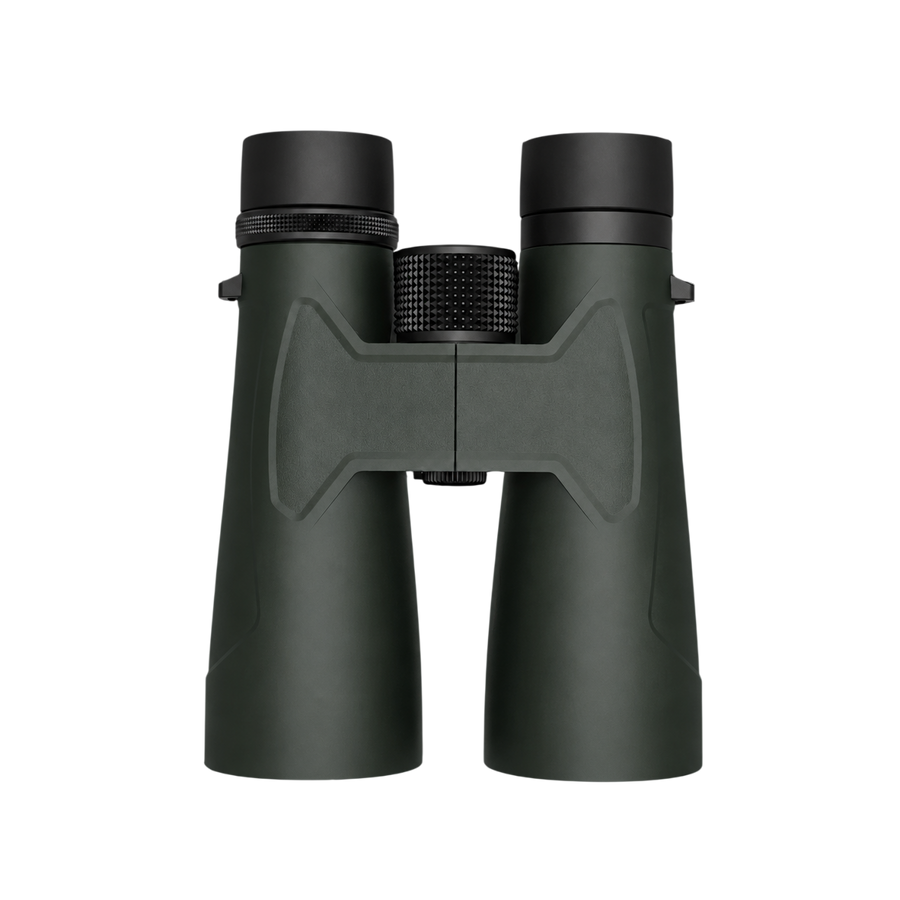
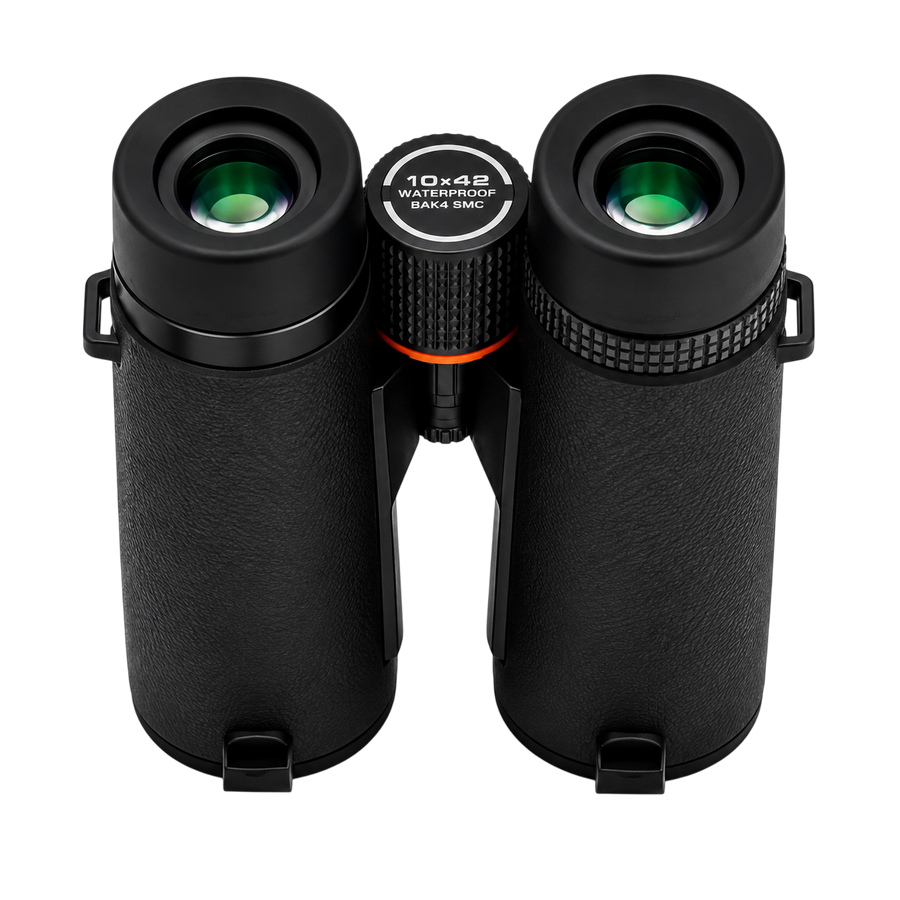
The rut can be a fantastic period for nature and wildlife observation. One can advantageously sit at a good distance from known areas of residence and use binoculars rather than trying to get very close.
Early morning and late evening can provide good opportunities, but during intense rutting, animals can show themselves at many times of the day.
Keep the wind in your face, move quietly, and avoid pressuring the animals. The goal is to observe natural behavior, not to make them flee or change their routine.
Typical signs of rutting activity
The signs can be both direct and indirect. One can, among other things, experience a buck following a doe very closely, repeated rapid pursuits, witch rings, increased activity in open areas, and more unpredictable movements than usual.
However, it is important not to interpret every running buck in July as certain rutting. Bucks can chase away competitors, react to disturbances, or move for other reasons.
The best picture is obtained by observing the behavior over a longer period.
What happens after the rut?
When the main rut subsides, the bucks gradually become less active and may seem worn after a period of high activity and limited time for foraging.
The does return to their more normal rhythm, and the fertilized egg cell enters its special delayed development.
Later in the year, the bucks' hormonal levels begin to change. They shed their antlers, and a new annual cycle begins.
Frequently asked questions about the roe deer rut
When does the roe buck's rut peak?
The greatest activity is typically seen from mid-July to mid-August, but local variations occur.
Are you allowed to hunt roe buck during the rut in Denmark?
The general spring hunting season for roe buck ends on July 15th and does not open again until October 1st. The main rut is therefore usually outside the general hunting season. Local hunting seasons must always be checked.
What is a witch ring?
It is a trampled circle or oval in the vegetation, which can arise when a buck follows a doe repeatedly around a fixed point during the rut.
How long does the rut last for the individual doe?
The actual receptive period is short, but the rut in the total population extends over several weeks because the does do not come into rut at exactly the same time.
Why are fawns born in May and June when mating happens in the summer?
Roe deer have extended pregnancy with delayed embryonic development. It moves the birth to a time with better conditions for the fawns.
The rut provides a unique insight into the life of the roe deer
The roe deer rut is more than a dramatic period with chasing bucks. It shows how territories, reproduction, and annual cycles are connected.
For the hunter, the period is valuable because the observations can provide new knowledge about the population. For nature enthusiasts, it is one of the year's best opportunities to see behavior that is otherwise hidden. And for those who want to understand the roe deer as a species, the rut is a key to its entire unique biology.
Cover photo: B0B B, CC BY 4.0, via Wikimedia Commons (source)